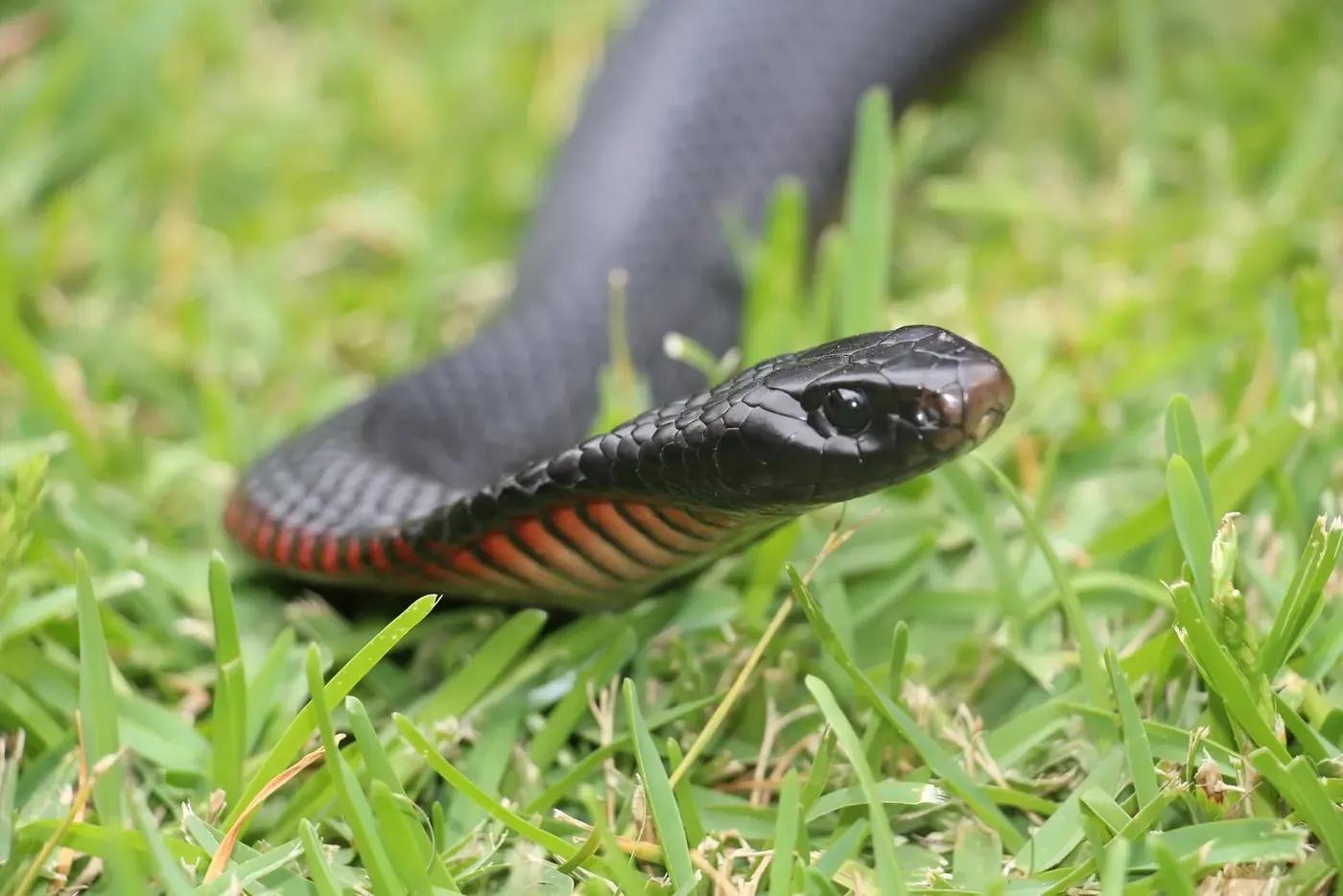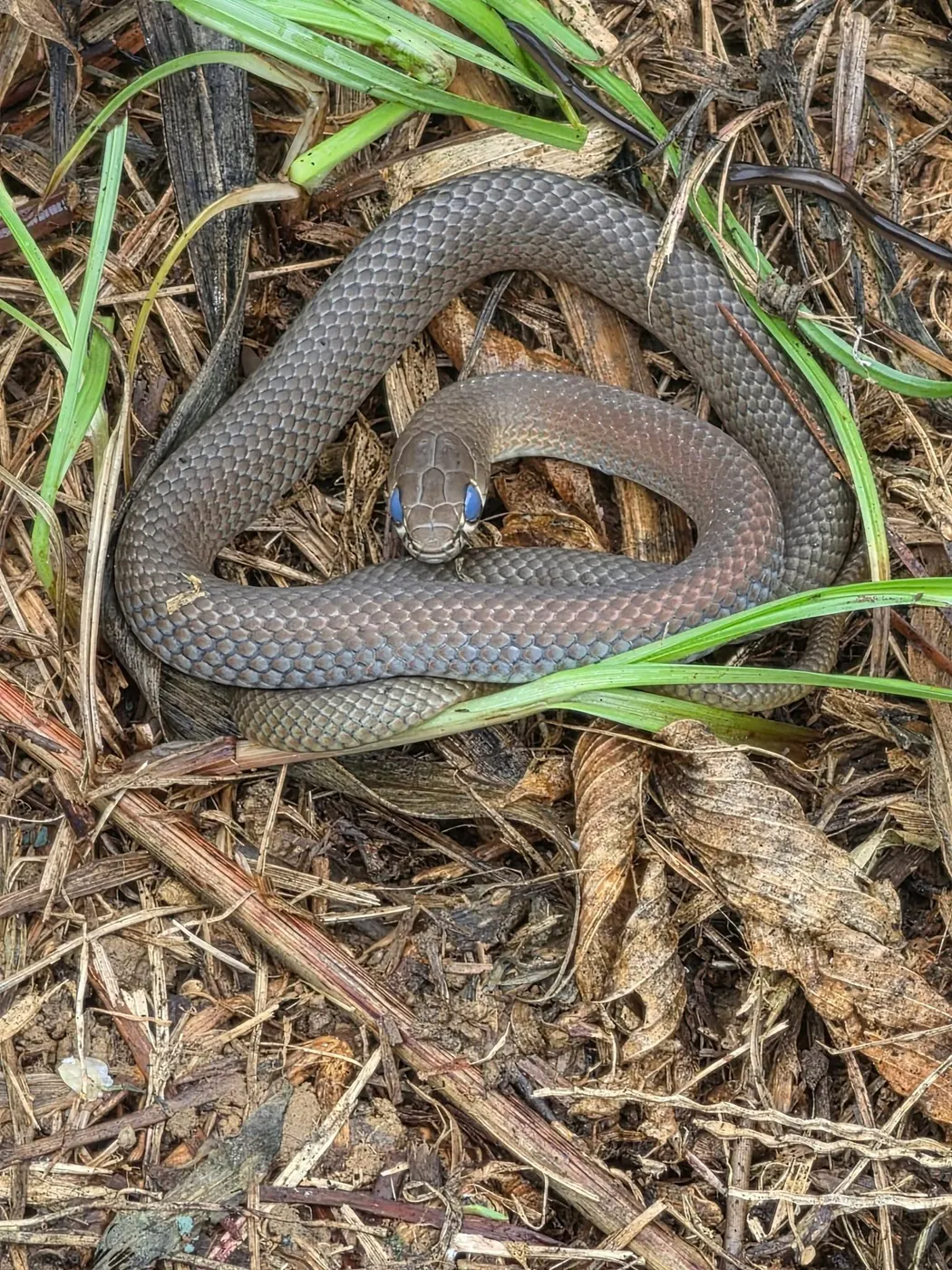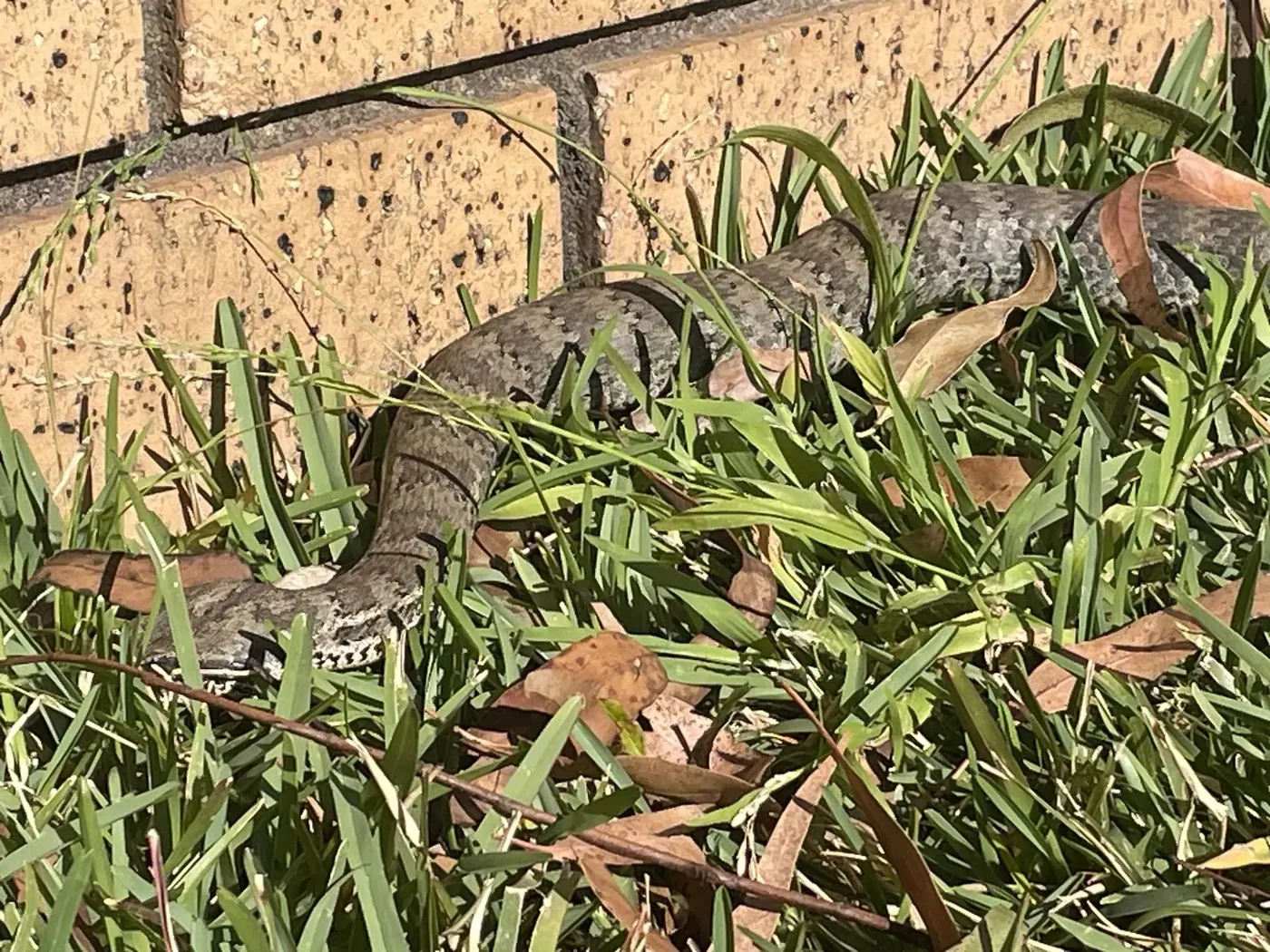
Colour and appearance
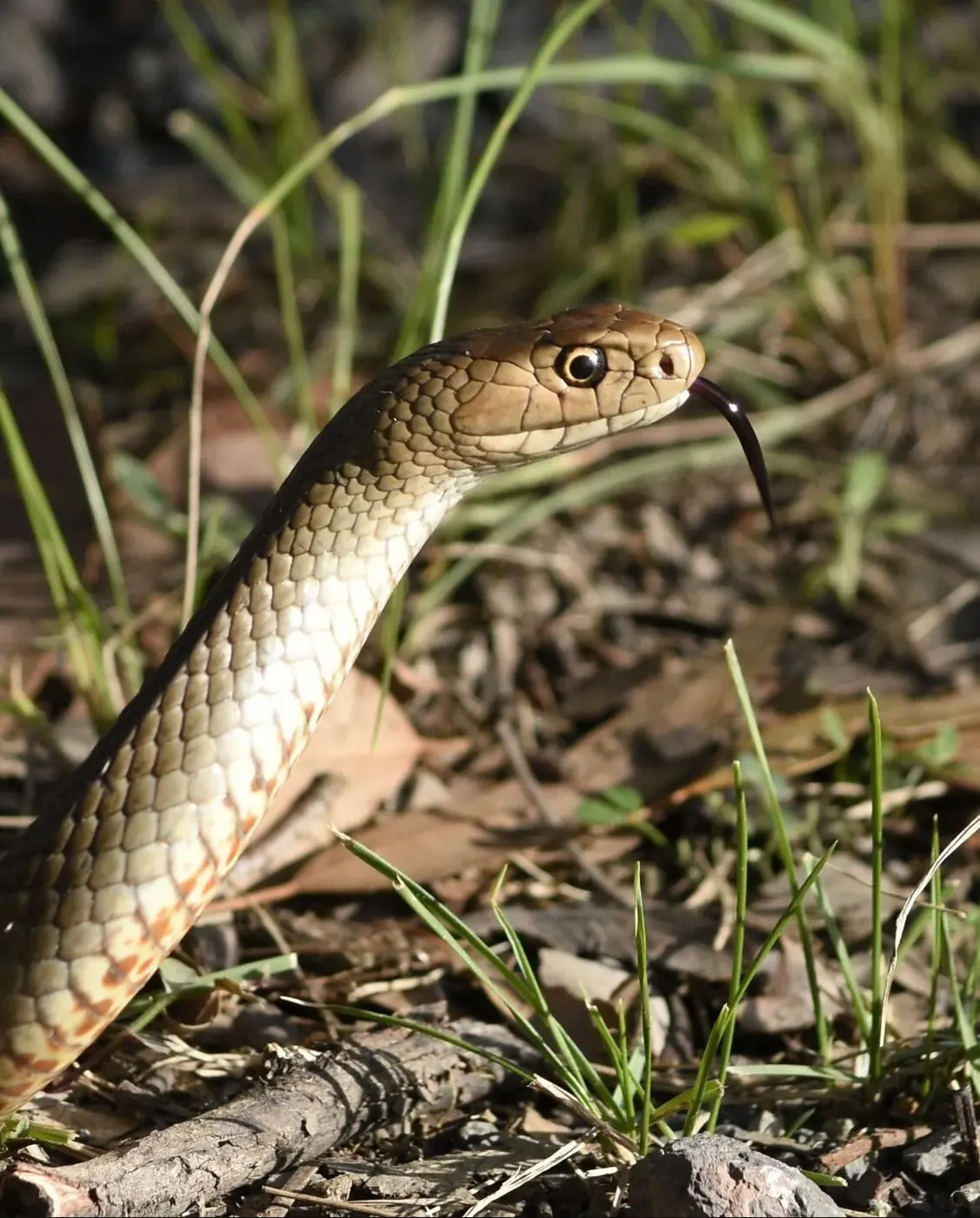
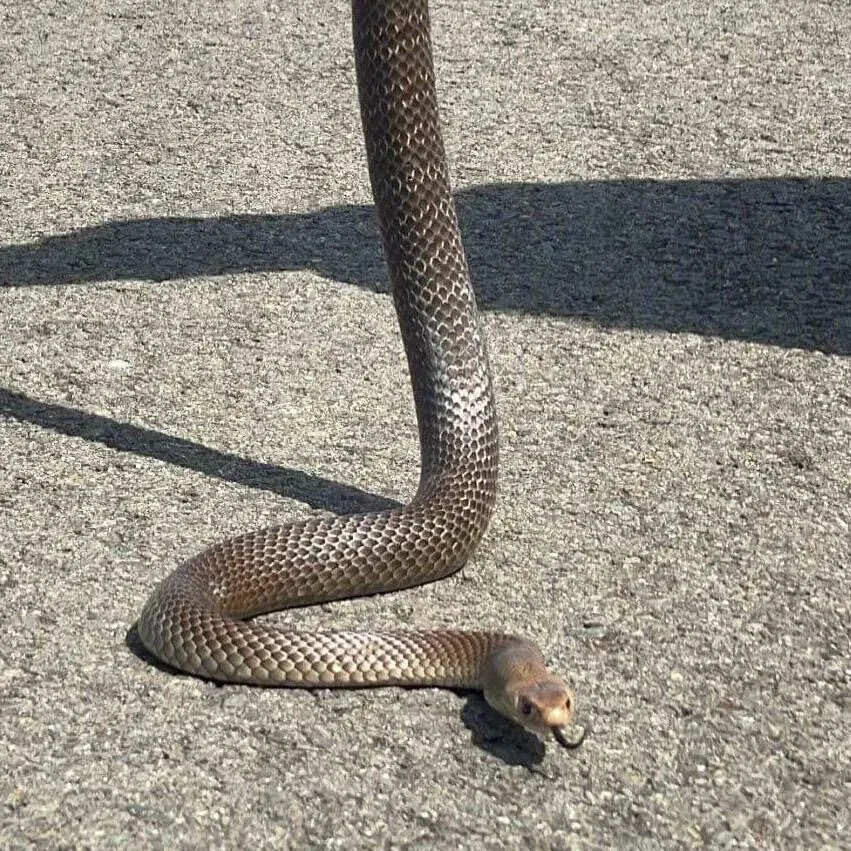
Highly variable: from near-black through brown and tan to orange. Juveniles may show dark bands. Because the colour range is so wide, colour alone is not a reliable way to identify one.
Habitat
Open woodland, scrub and grassland, including agricultural land and urban edges. Shelters beneath natural and human-made cover such as logs, rocks, sheet iron and building materials. Rats and mice form part of its diet.
Behaviour
Usually active by day, although activity changes with conditions. Usually tries to escape. When cornered or interfered with it may rear up in an S-shaped defensive posture. That display is a warning, not an attack.
NSW distribution
Widespread across eastern Australia, including much of New South Wales from the coast to inland plains.
Relevance to Western Sydney
The grassy remnant woodland, creek lines and open land of the Cumberland Plain provide suitable habitat. We do not publish local sighting counts; the point is that the habitat is here, so families should know the basics.
Identification notes
- Slender to moderately built body with a small head that is not distinct from the neck.
- Colour alone is unreliable: "brown" snakes can be many species, and some Eastern Browns are not brown at all.
- Juveniles may be banded and look nothing like adults.
- Never get close enough to check scales, eyes or belly colour. Treat any unknown snake as dangerous.
More photos
Safety
Highly venomous. Any suspected bite is a medical emergency: call 000, keep the person still, apply a pressure bandage, and do not use a tourniquet or wash, cut or suck the bite. Do not try to catch or identify the snake.
Pet safety
Dogs are at real risk because they investigate and attack snakes. Signs can include sudden weakness, collapse that seems to recover, vomiting, dilated pupils, trembling or blood in urine. Go straight to an emergency vet even if your dog seems fine.
If you encounter one
- 1Move people and pets away. Give the snake several metres of space.
- 2Keep watching it from a safe distance if you can, so you can tell the catcher where it went.
- 3Do not try to kill, trap, cover or move it. Most bites happen when people interfere.
- 4Call 0428 458 856 (backup: 0413 014 607) and describe where it is and what it is doing.
FAQs
Are Eastern Brown Snakes aggressive?+
They are defensive rather than aggressive. Most encounters end with the snake leaving. Bites usually happen when someone tries to kill, catch or corner one.
How do I know if it is an Eastern Brown?+
You do not need to know. Keep your distance and describe what you can see from far away. A photo taken from a safe distance helps, but never approach for one.
Why do they turn up near new estates?+
Earthworks, building waste and rodents around construction create shelter and food. Snakes already living in that country can find themselves surrounded by houses.
Sources and further reading
Western Sydney service-area guides
These local guides describe their suburb settings; they do not indicate confirmed snake sightings.